How React Native Is the Best Option Over Flutter If You Know JS and TS?

If you already know JavaScript (JS) and TypeScript (TS), choosing the right mobile app framework is a big deal. It can save you months of learning time, reduce stress, and help you build real apps faster.
So here’s the big question:
Should you go with React Native or Flutter?
If JS and TS are already your best friends, React Native feels like unlocking your phone with the correct password. Simple, smooth, and familiar. Let’s explore why.
What Is React Native? (In Simple Words)
React Native is a framework that lets you build mobile apps for Android and iOS using JavaScript and TypeScript.
Instead of learning a new language, you use the same skills you already have from web development.
Real-Life Example
If you’ve built a website using React, React Native feels like using the same tools to build a mobile app.
Same logic, similar structure, just a different screen size.
Why This Topic Is Important
Learning a new framework takes time. If you already know JS and TS, choosing React Native means:
- Less learning curve
- Faster development
- Better job opportunities
- Reusable skills
Why start from zero when you already have a strong base?
Benefits of React Native for JS & TS Developers
Here’s why React Native is a smart choice:
1. Same Language, Same Comfort
You already know JavaScript and TypeScript. No need to learn Dart (Flutter’s language).
2. Faster Learning
React Native feels familiar. Components, hooks, and state management work just like React.
3. Strong Job Market
Many companies use React Native because they already use React on the web.
4. One Code, Two Apps
You write one codebase and get both Android and iOS apps.
5. Big Community Support
If you get stuck, Google is your best friend. Thousands of tutorials, fixes, and libraries are available.
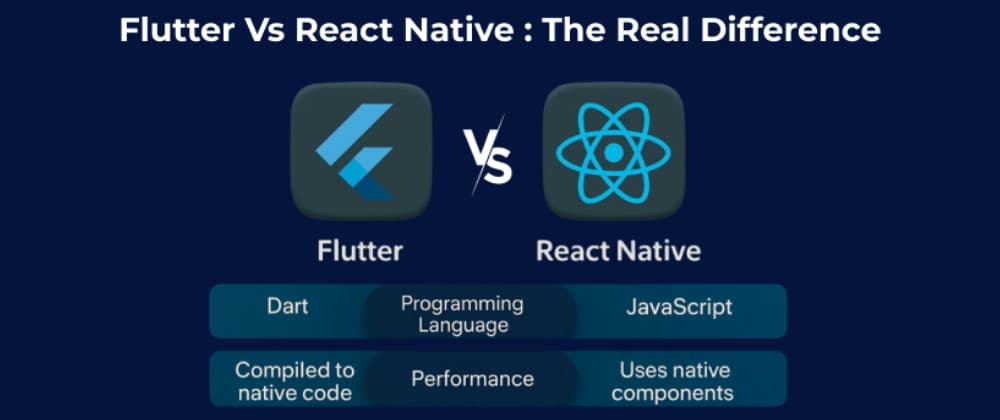
React Native vs Flutter (Simple Comparison)
| Feature | React Native | Flutter |
|---|---|---|
| Language | JavaScript / TypeScript | Dart |
| Learning Curve | Easy for JS devs | Medium |
| Code Reuse | Web + Mobile | Mobile only |
| Community | Very large | Growing |
| UI Control | Good | Excellent |
Quick Summary
If you know JS and TS, React Native feels natural. Flutter feels like learning a new language and mindset.
Best Tips for Beginners
Do’s
- Use TypeScript for better code safety
- Learn basic React first
- Start with small apps
- Use Expo for faster setup
Don’ts
- Don’t ignore performance testing
- Don’t overuse heavy libraries
- Don’t skip mobile UI principles
Common Mistakes People Make
- Trying to build complex apps too early
- Not learning basic mobile UI rules
- Ignoring TypeScript benefits
- Mixing too many libraries
Keep it simple. Grow step by step.
Final Thoughts: Is React Native Worth It?
If you already know JavaScript and TypeScript, React Native is the smartest path.
It saves time, feels familiar, and opens doors to mobile development fast.
Why struggle with a new language when your current skills are already powerful?
Ready to Start?
Install React Native today and turn your web skills into real mobile apps.

Muhammad Hamid Raza
Content Author
Originally published on Dev.to • Content syndicated with permission